Why I Come to You
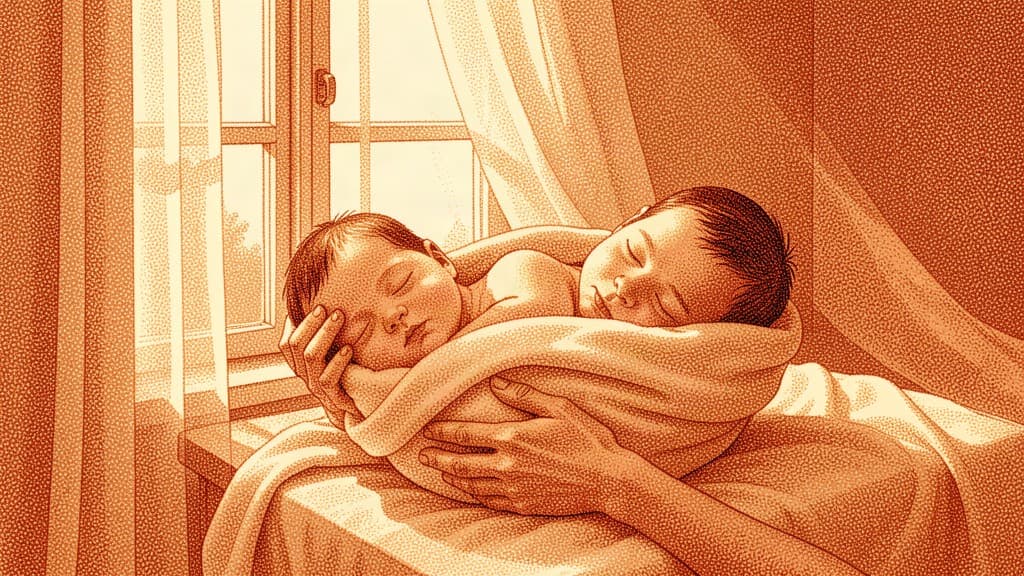
Here's the thing I tell every exhausted new parent who asks me about newborn photos: you don't have to go anywhere. No packing the diaper bag. No wrangling a car seat. No racing out the door while a two-week-old decides this is the exact moment they need to eat again. Your newborn session happens in your own home, where the light through your nursery window is soft and familiar, and where you can sink into the couch and just breathe for an hour.
I've photographed newborns across Spring Lake and Fort Liberty for years now, and the in-home sessions are always the calmest. There's a rhythm to them that a studio can't replicate — the baby stays on their own schedule, siblings can drift in and out, and nobody has to put on real shoes. If you're wondering whether your house is "nice enough" for photos, let me stop you right there. I've shot in sunlit living rooms and cozy rented bungalows, in base housing and apartments with one good window. It's the light and the people that matter, not the square footage.
Before I Arrive
Your session actually starts a couple of weeks before the date. When you book, I'll send over a short questionnaire — nothing intimidating. Just your baby's name, your family's names, whether there's a nursery color I should know about, any must-have items you want in the frame, and how you're hoping to use the photos afterward. That last part shapes everything: a gallery destined for a birth announcement looks different from one meant for a big framed print above the crib.
Timing matters too, and it's one of the questions I hear most: when should we actually do this? The sweet spot is between five and fourteen days old. In that window, babies still carry that deep, womb-curled sleepiness, and their skin has that fresh, peachy quality before the normal newborn peeling starts. I know it sounds impossibly soon — you'll still be learning which end is which — but that's exactly why I come to you and build the whole session around your baby's rhythm. And here's the reassurance: if you miss that window, it's okay. A three-week-old or a four-week-old photographs beautifully too. They might be a little more alert, a little more curious about the world, and I'll simply lean into that. No session is ever ruined because a baby is a few days older than the textbook ideal.
A few days out, I'll confirm timing and ask one practical favor: keep the house warm. Newborns photograph best when the room is toasty, because they'll be undressed down to a diaper for some shots and a shivering baby is not a sleepy baby. I'll also ask you to feed right before I arrive or as I'm getting set up — a full belly is the single best guarantee of a settled session.
How to Prepare the House
Please, do not deep-clean for me. I've seen it all, and I genuinely don't notice dust. What I do ask is simple: tidy the rooms with the best natural light — usually the nursery and the main living area — and clear off a windowsill or two. That's where I'll set up. Turn up the heat a few degrees. Have a pacifier and a burp cloth handy. And if you have a white noise machine, we might use it. That's the whole list. Everything else — blankets, wraps, baskets, the soft little props you see in newborn galleries — I bring with me.
The First Ten Minutes
When I arrive, I'll quietly set up near the window with the most light. I travel light and move slow, because the last thing a sleepy household needs is a stranger clattering through the front door with a wall of equipment. While I get my camera ready, you can do whatever you'd normally be doing — feeding, rocking, changing a diaper. There's no "starting position." The session begins when your baby is ready, not when my watch says so.
I'll take a few test shots to read the light, and then I'll spend a minute just watching. How does your baby settle? Do they curl into you or stretch out? Where do they seem most content — on your chest, in the crib, cradled in the corner of the couch? The answers tell me how to shoot the rest of the session.
A Baby-Led Session, From Start to Finish
If you've read about my approach, you'll know I only offer baby-led newborn sessions — and this is where that philosophy really shows up. The session flows around your baby, not the other way around.
How the Rhythm Works
Newborns live in short cycles: eat, sleep, be alert for a few wide-eyed minutes, repeat. We work within that. The American Academy of Pediatrics' parent site, HealthyChildren.org, has a helpful rundown of how much newborns sleep and what to expect in those early weeks, if you want the deeper science behind the rhythm. In the session, I simply follow it. If the baby is asleep, that's when I capture the peaceful, curled images — the ones where they look like a tiny, perfect comma. If they wake up hungry, we pause and feed. If they're alert and staring at the ceiling fan with that brand-new intensity, I photograph that too, because those open-eyed frames are often a parent's favorite. A session typically runs ninety minutes to two hours. That length isn't a marathon — it's breathing room. It means nobody feels rushed, and a feeding pause or an unexpected diaper blowout doesn't throw anything off schedule.
I should also say plainly: you don't need a perfectly sleepy baby. You don't need a spotless house. You don't need to apologize for anything. My job is to meet your family exactly where it is and make the most of it.
How I Handle Your Baby
Safety and comfort come before any shot. I never force a baby into a pose they resist, and I follow the American Academy of Pediatrics' guidance on safe sleep and positioning with every wrap and prop. When they're deeply asleep, I'll gently tuck a hand or adjust the way their head is resting, but I do it slowly and only when they're in that deep, floppy sleep where they won't notice. If they startle or fuss, I stop. It's that simple.
And here's the honest truth: some babies just don't sleep deeply at first, and that's fine. If your baby is wide awake and cluster feeding the day I arrive, I photograph the awake version — the alert eyes, the searching little mouth, the way they track your face when you talk. Some of my favorite images have come from babies who refused to cooperate with the idea of a "sleepy newborn" and gave us something better instead. I'll keep the room warm and quiet, and I'll wait out the fussy patches with the same patience I'd bring to my own family. A good in-home session isn't about forcing the calendar of a sleeping baby; it's about finding the beauty in whichever baby shows up that day.
And while they sleep, I get close. The shots I love most are the details — tiny toes, curled fingers, the curve of an ear, the wisp of hair at the nape of the neck, the way their hand wraps around your thumb. These are the details that fade fastest from memory, and they're the ones parents tell me they treasure years later.
Where the Family Comes In
This is the part I want to make sure you hear: an in-home newborn session is not just a photo shoot of your baby. It's a session about your family, and you are in these photos. You should be. You just made a person. You deserve to be on the other side of the camera for once, holding them.
What You'll Wear
I'll guide you into simple, natural positions — sitting by the window with the baby against your chest, leaning over the crib together, your partner's hand cradling their head. For clothing, soft, neutral tones photograph beautifully and keep the focus on your faces. If you want more detail, I have a whole guide on what to wear to a photoshoot. The short version: cream, sage, dusty blue, and warm earth tones; nothing with big logos or busy patterns.
Including Older Siblings
If there's a big brother or sister, I welcome them with open arms — and no pressure. I don't force a toddler into frame or ask them to hold a baby they're still figuring out how to feel about. Instead, I let them come to the baby on their own terms, and I photograph what's honest: the curious peek, the careful pat, the toddler who wants to "help" by handing me a wipe. A little prep in the days before goes a long way, but on the day of, my job is to read their mood and roll with it. If they need a break, we take one.
The Moments I'm Chasing
Through it all, I'm looking for the quiet stuff. You at the window with the baby, eyes soft. Your partner's hand on the back of their tiny head. The three of you curled on the couch in the same frame for the first time. There's no shot list I'm forcing, no clock I'm watching. We finish when the story feels complete.
After the Session
When I leave, the house goes quiet again — just you, the baby, and the ordinary magic of those first weeks. A couple of weeks later, your gallery arrives. I edit carefully but with a light touch: clean light, balanced color, that timeless, true-to-life look. Nothing over-filtered. Then you get the fun part — downloading, ordering prints, and sending the link to every grandparent who has been asking for photos since the moment you announced the pregnancy.
Most parents tell me they cry a little when they open the gallery for the first time. I understand. You're not just looking at a set of pictures. You're seeing, in crisp focus, a version of your family that will never exist again — the newborn curl, the papery skin, the way your older child leaned in to study the baby's face. If you're on the fence about whether to book, my honest answer is the same one I give every family: these early weeks vanish faster than any of us expect, and the photos become the thing you reach for later to remember what they felt like. I'd love to capture them for you.