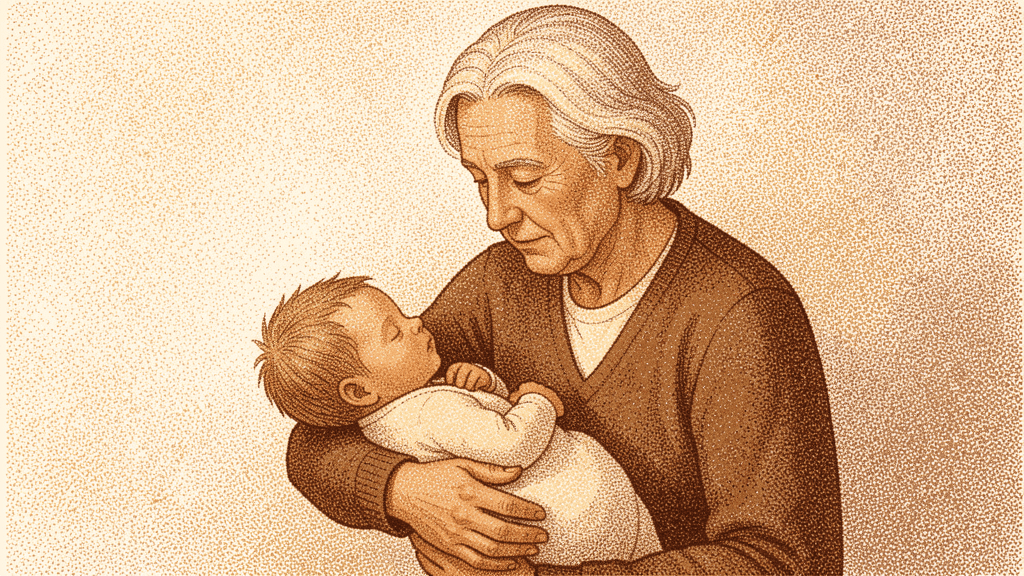
Why Sibling Prep Makes or Breaks the Session
I've photographed over a hundred newborn sessions that included older siblings. And I can tell you with absolute certainty: the difference between a session where the big brother or sister is beaming with pride and one where they're hiding behind the couch is almost never about the child's personality. It's about preparation.
Here's what I see when parents have put in the groundwork. The toddler walks in holding a sippy cup, already knowing my name because Mom's been talking about "Miss Tiffany" all week. They've practiced holding the baby with a doll. They have a job to do — maybe it's fetching the blanket or showing me their favorite book. They feel important. They feel included. And when I ask if they want to sit next to the baby, they climb right up. Those sessions produce the images parents cry over.
Here's what I see when nobody prepped. The two-year-old sees a stranger in their living room holding a camera. That stranger is paying attention to the new baby — the one who has already upended their entire world over the past two weeks. They don't know why this is happening. They don't know what's expected of them. So they do what any overwhelmed two-year-old does: they melt down, retreat, or flat-out refuse. And now Mom is stressed, Dad is frustrated, and the baby picks up on all of it.
Neither scenario is about having an "easy" kid or a "difficult" one. It's about whether the child knows what's coming and has a reason to feel good about it. The prep I'm about to walk you through takes maybe an hour of cumulative effort spread across a couple of weeks. That hour is the single highest-return investment you can make in your newborn session.
Start the Conversation Early — Like, Now
If you're reading this while still pregnant: fantastic. You have the most runway. If your baby is already here and the session is next week: don't panic. There's still plenty you can do, and I'll point out what works on a shorter timeline.
The core idea is simple: your older child needs to understand that a photographer coming to the house is a normal, positive thing — and that they have a starring role in it.
Books and Shows That Set the Stage
There are some genuinely wonderful children's books about becoming a big sibling. My favorites are the ones that are specific to what's actually happening — not just abstract "you're a big sibling now" messages, but stories that mirror real life. I Am a Big Brother and I Am a Big Sister by Caroline Jayne Church are simple, warm, and hit the right tone for toddlers. For preschoolers, The New Baby by Mercer Mayer (a Little Critter book) does a great job of showing the mixed feelings that are completely normal — excitement, annoyance, curiosity, all of it.
Read these together. Then talk about them. The American Academy of Pediatrics recommends starting sibling conversations during pregnancy — months of runway makes a real difference. "In this book, the big brother helped pick out jammies for the baby. Want to do that too?" Make it a conversation, not a lecture.
Screen time can help too. Episodes of Daniel Tiger where he becomes a big brother, or the Bluey episode "Baby Race," can normalize the whole thing in a way that feels low-pressure. These aren't lifelong lessons — they're just conversation starters that make the idea of a baby in the house feel familiar rather than foreign.
The "Big Sibling Job" — Why It Works
Kids, especially toddlers and preschoolers, crave purpose. They want to be useful. And "stand here and smile" does not feel useful. But "can you help Miss Tiffany by holding this blanket?" That's a mission. That's important work.
Sometime in the week before the session, tell your child they're going to have a special job when the photographer comes. Frame it as: "Miss Tiffany is going to take pictures of our family, and she's going to need a helper. I was thinking you'd be perfect for it." Then give them something specific and age-appropriate. A three-year-old can be in charge of bringing a favorite stuffed animal to sit near the baby. A five-year-old can help choose which blanket we use. Even a toddler can "show Miss Tiffany where the baby sleeps."
I've seen this strategy work so consistently that I now build helper roles into nearly every newborn session with siblings. You don't need to coordinate with me ahead of time — I do this naturally — but priming your child with the idea that they have a job makes them walk in feeling 10 feet tall.
What to Do the Week Before the Session
The week before the session is when the prep shifts from abstract to concrete. Here's your checklist.
First, let your child see you happy and relaxed about the session. Kids read their parents' emotional state like hawks. If you're stressed about getting the perfect shot, they'll feel it. If you're talking about the session like it's a fun thing — "Miss Tiffany is coming on Tuesday, and we're going to take some really sweet pictures of all of us together!" — they'll absorb that excitement.
Second, do a dry run with clothes. Don't let the session morning be the first time your child wears the outfit you've chosen. Let them wear it once for a few hours the week before. Make sure nothing itches, nothing pinches, and nothing triggers a sensory objection you didn't see coming. This is also a great time to practice — not posing, just being in the clothes and hearing you say things like, "You look so handsome in that! Miss Tiffany is going to love it."
Third, involve them in one meaningful choice. Let them pick between two pre-approved outfits. Let them choose which stuffed animal the baby will be photographed with. Let them decide whether we put the blanket on the left or the right. These aren't high-stakes decisions, but they give your child a sense of ownership. When they walk into the room and see the blanket they chose, they feel like a collaborator, not a prop.
The Day Of: A Real-World Timeline
If I could give you one piece of advice for session day, it's this: do not wing the schedule. Newborn sessions with siblings live and die by timing.
What and When to Feed Them
Feed your older child a real meal about 45 minutes before I arrive. Not snacks — a meal. Protein, fat, something that will actually stick. A hungry kid is a cranky kid, and there is no amount of waving a stuffed animal that will override low blood sugar. Avoid anything that stains faces or clothes — no berries, no red sauces, nothing that requires scrubbing afterward. Think scrambled eggs, a grilled cheese, a banana with peanut butter.
After the meal, do a quick face-and-hands wipe, change into the session outfit, and then — this matters — offer a small, clean snack to have during the session if needed. Pretzels, apple slices, crackers. Something they can eat while sitting and that won't leave orange dust on their fingers.
For the baby: feed them right before the sibling portion of the session if you can. A milk-drunk newborn is a cooperative newborn. I'll usually start with sibling shots while the baby is settled and calm, then move to solo newborn shots while the sibling takes a break. We can be flexible, but having the baby full and sleepy when we bring the sibling in makes everything easier.
The Bribe Question: My Honest Take
Parents ask me about bribes all the time. Should they promise a reward for good behavior? My answer: it depends on what you mean by bribe.
If "bribe" means dangling a lollipop the entire session while saying "if you just smile ONE more time..." — no. That creates tension, not cooperation. Kids can smell desperation, and the whole thing becomes transactional. I've watched parents escalate offers in real time — "okay, TWO treats if you just sit down" — and the images from those sessions show the strain on everyone's faces.
But if "bribe" means having a fun, low-key plan for after the session — "when Miss Tiffany is all done, we're going to go get donuts together as a family" — that's different. That's an incentive framed around the whole experience being positive, not around specific poses. It also gives your child something to look forward to that involves you, not just a sugar reward they earn through compliance. Frame it as a celebration: "We're going to take some beautiful pictures, and then we're all going for a special treat to celebrate our family." That tone shift matters.
During the Session: What I'll Do (And What You Don't Need to Worry About)
This is the section where I want to take something off your plate. You don't need to manage your older child during the session. That's my job. (For the full walkthrough — from booking to gallery delivery — read what to expect at your family session.)
When I arrive, the first thing I do is not pick up my camera. I get down on the floor — literally at your child's eye level — and I talk to them. I ask about their favorite toy. I admire their light-up sneakers. I tell them I heard they've been a really great big brother. This isn't small talk; it's the most important part of the session. If your child decides I'm a friend within the first five minutes, the rest of the session flows. If they decide I'm a stranger, everything takes five times as long.
I'll spend as long as it takes building that rapport. Sometimes it's two minutes. Sometimes it's fifteen. Don't rush me. Don't apologize if your child is shy. I've seen it all — kids who hide behind curtains, kids who insist on showing me every single Hot Wheels car they own before they'll participate, kids who need to observe from a distance for twenty minutes before they'll come close. All of that is normal and all of it works out in the end as long as nobody forces it.
Once we're connected, I'll direct your child in ways that feel like play. I might ask them to "show me how gently you can touch the baby's head." I might have them sit next to you and the baby while you read a book they chose. I might turn the whole thing into a game of "let's see how many different ways we can sit together!" The goal is never a stiff, posed smile. It's genuine connection — and that happens when kids feel safe and engaged, not when they're being told to perform.
Getting Everyone in One Frame
The family shot — everyone together, baby included — is often the image parents are most nervous about. Two kids, two adults, a newborn, different attention spans, different needs. It's a lot. But here's how we handle it: I shoot it in bursts. We get everyone positioned, I snap a rapid series, and then I immediately release the older sibling. Total time commitment for the child: maybe 90 seconds. After that, they're free to go play while I finish solo shots with the baby.
If the sibling doesn't want to be in the family photo at all, we don't force it. We pivot. Maybe we do a shot of you and your partner with the baby, and then we capture your older child interacting with the baby separately — kissing the baby's head, peeking into the bassinet, lying next to them on the blanket. Some of the most beautiful newborn-plus-sibling images I've ever taken weren't posed at all. They happened in the margins, when the sibling wandered over to look at the baby on their own terms.
When It All Goes Sideways — And Why That's Okay
I want to say something directly: a meltdown during a newborn session is not a failure. It's not a sign that your child is difficult. It's not a reflection on your parenting. It's a small person with big feelings in a situation that's genuinely a lot to handle — regression and big emotions are developmentally normal, as early childhood experts at Zero to Three confirm — a new baby, a visitor in the house, disrupted routines, probably not enough sleep.
I have never, in years of doing this, had a session completely ruined by a sibling meltdown. Not once. We pause. We regroup. The sibling takes a break, has a snack, watches a show, cuddles with a parent. I keep shooting — the baby solo, the baby with you, the baby with your partner. We circle back to sibling shots later, or we don't, and we get what we can on the sibling's terms.
Some of my favorite images from sibling-included newborn sessions are the ones where things didn't go according to script. The toddler who refused to hold the baby but wanted to lie next to them on the floor, face-to-face, just looking. The preschooler who burst into tears the moment we tried to pose them, then calmed down when we let them read a picture book next to the baby instead. Those are real moments. They're authentic to where your family actually is in this season — and that's worth so much more than a Pinterest-perfect shot where everyone is looking at the camera in matching outfits.
So take a breath. Text me the morning of if you're anxious. Warn me if your child skipped a nap. Tell me if they're going through a hitting phase or a shy phase. I've handled all of it, and none of it will surprise me. The only thing that makes my job harder is a parent who's trying to manage their child, the baby, and their own stress all at the same time while also trying to look relaxed for photos. That's too much weight to carry. Let me carry the session. You just love on your kids — and that's exactly what I'll photograph.